In today’s rapidly evolving digital landscape, education is undergoing a significant transformation. One of the most critical areas experiencing change is the way exams and assessments are conducted. Traditional examination systems, which relied heavily on physical presence and manual invigilation, are gradually being replaced by smarter, technology-driven solutions. Among these, AI-powered proctoring has emerged as a game changer.
As an education leader closely observing and implementing innovative practices, I strongly believe that AI proctoring is not just a temporary solution—it represents the future of fair, scalable, and efficient assessments.
What is AI Proctoring?
AI proctoring refers to the use of artificial intelligence to monitor and supervise exams remotely. It replaces or enhances human invigilators by using advanced technologies such as facial recognition, behavior analysis, eye tracking, and audio detection.
These systems can identify suspicious activities such as:
- Looking away from the screen frequently
- Presence of unauthorized individuals
- Use of mobile devices or external resources
- Unusual background noise
By analyzing these behaviors in real time, AI ensures the integrity of online examinations while reducing the need for physical supervision.
The Shift from Traditional to Digital Assessments
The traditional examination model has long been associated with logistical challenges—large exam halls, invigilator management, paper handling, and security concerns. With the rise of online education and remote learning, these methods are no longer sufficient.
AI proctoring enables institutions to:
- Conduct exams anytime, anywhere
- Eliminate geographical limitations
- Reduce operational costs
- Improve scalability
This shift is especially relevant in a country like India, where access to quality education must reach diverse and remote populations.
Enhancing Academic Integrity
One of the biggest concerns with online exams is maintaining academic honesty. AI proctoring addresses this challenge effectively by providing continuous monitoring and data-driven insights.
Unlike human invigilators, AI systems:
- Do not get fatigued or distracted
- Maintain consistent monitoring standards
- Record and flag suspicious behavior for review
This ensures a fair evaluation process, where every student is assessed based on their true capabilities.
Real-Time Monitoring and Data Analytics
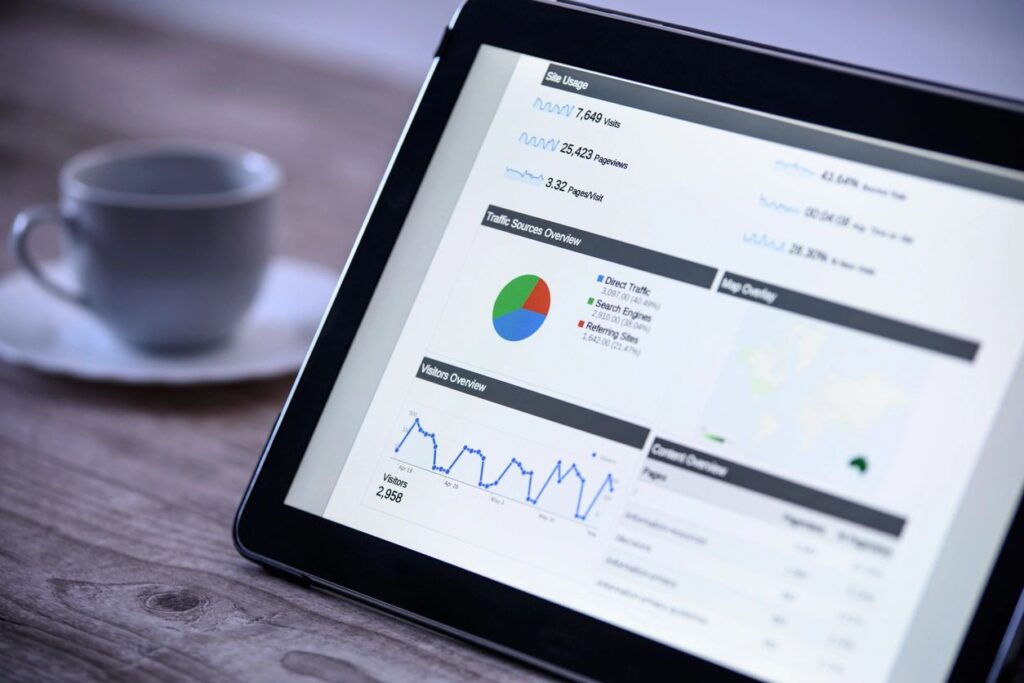
AI proctoring goes beyond simple surveillance. It generates detailed reports and analytics that help educators understand student behavior during exams.
These insights include:
- Suspicion scores
- Behavioral patterns
- Time spent on questions
- Exam completion trends
Such data allows institutions to refine assessment strategies and identify areas where students may need additional support.
Scalability and Cost Efficiency
One of the most powerful advantages of AI proctoring is its scalability. Institutions can conduct exams for thousands of students simultaneously without the need for additional infrastructure.
Key benefits include:
- Reduced manpower requirements
- Lower operational costs
- Minimal administrative burden
- Faster exam setup and execution
This makes AI proctoring an ideal solution for universities, competitive exams, and corporate assessments.
Accessibility and Inclusivity
AI-powered assessments create new opportunities for students who may face challenges attending physical exam centers.
This includes:
- Students in remote or rural areas
- Working professionals pursuing education
- Individuals with mobility constraints
By enabling remote access, AI proctoring promotes inclusivity and equal opportunities in education.
Challenges and Ethical Considerations
While AI proctoring offers numerous advantages, it also raises important concerns that must be addressed responsibly.
Privacy Concerns
Continuous monitoring through webcams and microphones can make students uncomfortable. Institutions must ensure transparency about data usage and storage.
Algorithm Bias
AI systems must be carefully designed to avoid bias based on appearance, background, or environment.
Technical Limitations
Issues such as poor internet connectivity, hardware limitations, or system errors can impact the exam experience.
As education leaders, it is our responsibility to implement AI solutions ethically, ensuring that technology supports students rather than creating barriers.
The Role of Human Oversight
AI proctoring should not completely replace human involvement. Instead, it should work alongside educators to enhance decision-making.
Human intervention is crucial for:
- Reviewing flagged incidents
- Handling exceptional cases
- Ensuring fairness in evaluation
A hybrid model combining AI efficiency with human judgment will define the future of assessments.
Integration with Modern Learning Systems
AI proctoring is most effective when integrated with Learning Management Systems (LMS) and digital education platforms.
This integration allows:
- Seamless exam scheduling
- Automated grading
- Performance tracking
- Personalized learning insights
Such a connected ecosystem enhances the overall educational experience, making assessments more meaningful and outcome-driven.
Future Trends in AI-Based Assessments
Looking ahead, AI proctoring will continue to evolve with advancements in technology. Some emerging trends include:
Adaptive Assessments
AI will customize question difficulty based on student performance in real time.
Voice and Emotion Analysis
Systems will analyze tone and facial expressions to detect stress or unusual behavior.
Blockchain for Credential Security
Secure and tamper-proof certification systems will ensure authenticity of academic records.
Gamified Assessments
Engaging and interactive evaluation methods will replace traditional exam formats.
These innovations will redefine how we measure knowledge and skills in the coming years.
My Perspective as an Education Leader
From my experience in educational leadership and digital transformation, I see AI proctoring as a strategic necessity rather than an optional upgrade.
It enables institutions to:
- Maintain credibility in online education
- Scale operations efficiently
- Deliver high-quality assessments
- Build trust among students and stakeholders
However, the focus must always remain on student experience. Technology should empower learners, not intimidate them.
Conclusion
The future of exams and assessments lies in intelligent, flexible, and secure systems. AI proctoring is at the forefront of this transformation, offering a powerful solution to the challenges of modern education.
As we move forward, institutions must embrace this technology with a balanced approach—leveraging its strengths while addressing its limitations. By doing so, we can create an assessment ecosystem that is not only efficient and scalable but also fair, inclusive, and student-centric.
AI proctoring is not just shaping the future of exams—it is redefining the very concept of evaluation in education.