
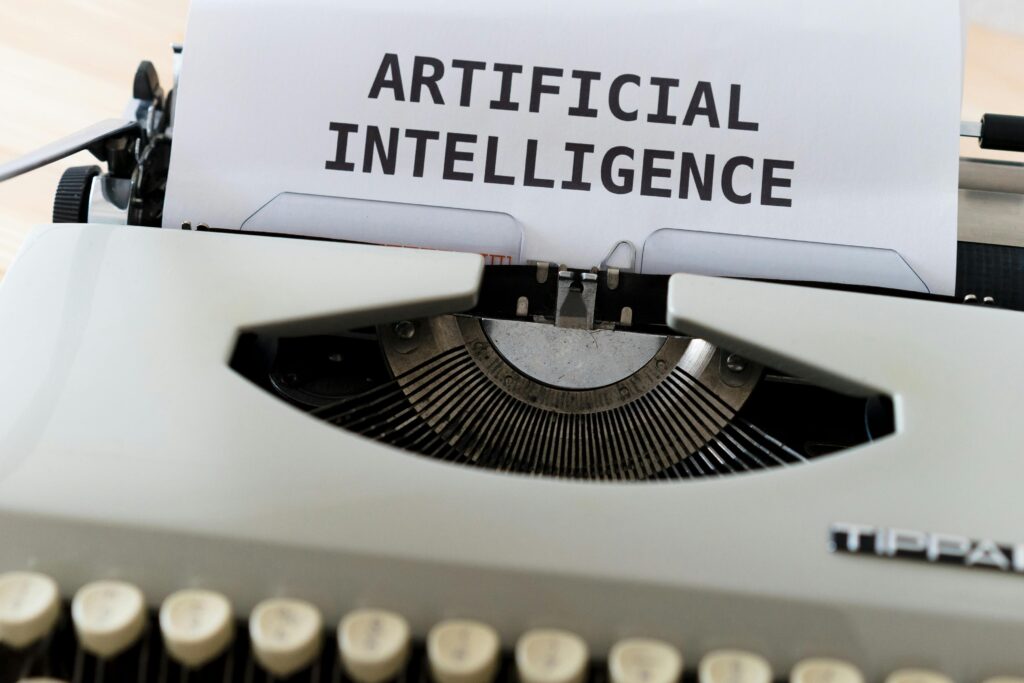
Artificial Intelligence (AI) is transforming education worldwide at an unprecedented pace. From personalized learning platforms to automated grading systems, AI is reshaping how teachers teach, students learn, and institutions operate. In this article, we explore the impact of AI in education globally, highlighting key innovations, benefits, challenges, and future trends.
The Rise of AI in Education
The integration of AI in education has accelerated due to advancements in machine learning, data analytics, and natural language processing. Schools, colleges, and online learning platforms are adopting intelligent systems to enhance student outcomes, streamline administrative tasks, and support educators. As more institutions embrace digital transformation, AI is becoming a core component of modern education.
Personalized Learning and Adaptive Systems
One of the most significant contributions of AI in education is personalized learning. Traditional classrooms often struggle to address the unique needs of every student. AI changes this by analyzing learning patterns and adapting content to fit individual strengths and weaknesses.
AI‑enabled platforms track student performance in real time and recommend custom learning paths. For example, students struggling with algebra might receive additional practice problems, while high‑achievers are offered advanced challenges. This adaptive learning model helps reduce knowledge gaps and increases student engagement.
Intelligent Tutoring Systems
AI‑powered tutoring systems provide students with one‑on‑one support outside the classroom. These intelligent tutoring systems (ITS) use machine learning to simulate human tutor behavior. They offer explanations, feedback, and problem‑solving strategies based on how students interact with the system.
In many countries, ITS is helping bridge education disparities. Students with limited access to qualified teachers can use AI tutors to learn at their own pace. This democratization of quality education enhances access and equity globally.
Automating Administrative Tasks
Teachers often spend significant time on administrative duties such as grading, attendance tracking, and scheduling. AI helps automate these repetitive tasks, giving educators more time to focus on instruction and student support.
With AI automated grading, objective assessments like multiple‑choice tests are graded instantly. More advanced systems can even evaluate essays using natural language processing. AI can also analyze attendance data, identify patterns, and help institutions allocate resources more effectively.
Enhancing Accessibility and Inclusion
AI is breaking down barriers for learners with disabilities. Tools such as speech‑to‑text, text‑to‑speech, and AI‑driven language translation make educational content more accessible. For students with visual or hearing impairments, AI tools can provide real‑time assistance, enabling a more inclusive learning environment.
For example, AI captions can instantly transcribe lectures into text, helping deaf or hard‑of‑hearing students. Similarly, language translation tools support multilingual classrooms, enabling students from diverse linguistic backgrounds to learn together.
Language Learning and AI
Language education has benefitted enormously from AI innovations. Language learning apps like Duolingo use AI to tailor lessons, adjust difficulty levels, and provide instant feedback on pronunciation using speech recognition.
Globally, AI is supporting billions of language learners. These tools offer gamified experiences that increase motivation and help students practice listening, speaking, reading, and writing skills more effectively.
Virtual Classrooms and AI Chatbots
The COVID‑19 pandemic accelerated the adoption of online learning, and AI has become central to virtual classrooms. AI chatbots assist students by answering questions, providing study recommendations, and guiding users through learning platforms.
These virtual assistants reduce response times and extend academic support beyond school hours. Whether it’s reminding students about assignments or helping them understand complex concepts, AI chatbots serve as always‑available learning companions.
Data‑Driven Insights for Educators
AI systems generate vast amounts of data about student behavior and performance. Educators can use this data to gain insights into learning trends, identify students at risk of falling behind, and improve instructional strategies.
Predictive analytics helps institutions foresee potential issues before they become significant problems. If a student shows declining engagement or performance, teachers can intervene early and provide targeted support.
SEO Keywords: educational data analytics, predictive analytics, teacher insights.
AI‑Powered Content Creation
Creating educational content can be time‑intensive. AI tools assist educators in generating quizzes, lesson plans, and instructional materials. For example, AI can propose activities based on curriculum standards or summarize textbook chapters into concise notes.
This not only saves time but also encourages creativity and innovation among teachers. As AI evolves, content creation systems will become more intuitive and aligned with diverse educational goals.
Challenges of AI in Education
Despite its benefits, AI in education faces challenges. One major concern is data privacy. Schools collect sensitive information about students, and protecting this data from misuse is critical. Educators must ensure AI systems comply with privacy laws and ethical standards.
Another challenge is the digital divide. While some students benefit from cutting‑edge AI tools, many lack access to basic technology and the internet. Addressing infrastructure gaps is essential for equitable AI adoption.
Additionally, there are concerns about the potential replacement of teachers. However, experts emphasize that AI should enhance, not replace, human educators. The role of teachers remains central to fostering critical thinking, creativity, and emotional support.
Global Adoption and Government Initiatives
Countries across the world are investing in AI to strengthen education systems. Governments are launching strategic plans to integrate AI into national curricula, improve teacher training, and support research.
For example, some nations have dedicated AI education initiatives that fund partnerships between schools, universities, and tech companies. These collaborations aim to equip students with AI‑related skills and prepare the workforce of the future.
International organizations are also promoting responsible AI use in education, encouraging policy frameworks that balance innovation with ethics and safety.
Preparing Students for an AI‑Driven Future
As AI becomes increasingly embedded in society, students must develop competencies that align with future job markets. Beyond technical skills, education systems are emphasizing creativity, critical thinking, collaboration, and problem‑solving.
AI literacy is becoming part of modern curricula. Students learn how AI works, its ethical implications, and how to apply it responsibly. This prepares learners not just to use AI tools but to shape the technologies of tomorrow.
SEO Keywords: AI literacy education, future skills development, workforce readiness.
The Future of AI in Education
The future of AI in education holds exciting possibilities. From immersive learning environments like virtual and augmented reality to real‑time emotional analytics that adapt teaching strategies, AI’s potential is vast.
However, achieving a balanced and ethical AI ecosystem requires collaboration between educators, technologists, policymakers, and communities. With thoughtful implementation and a focus on inclusivity, AI can help create a more effective, engaging, and equitable global education system.
Conclusion
AI is transforming education globally by enabling personalized learning, reducing administrative burdens, improving accessibility, and supporting educators and students alike. While challenges remain, the benefits are far‑reaching and continually expanding. As AI technologies evolve, they will play an increasingly vital role in shaping the future of teaching and learning.