
Introduction
Education is evolving rapidly, driven by technology, changing learner needs, and global connectivity. One of the most significant shifts in recent years has been the rise of virtual classrooms, challenging the long-established model of traditional classrooms. While both approaches aim to deliver knowledge and skills effectively, they differ in structure, accessibility, engagement, and overall experience.
Understanding the strengths and limitations of each is essential for educators, students, and institutions—especially in a world where hybrid learning is becoming the norm.
What Are Virtual Classrooms?
Virtual classrooms are online learning environments where students and teachers interact through digital platforms. These classrooms use tools such as video conferencing, screen sharing, chat systems, and learning management systems (LMS) to replicate or enhance the traditional classroom experience.
Students can attend classes from anywhere, access recorded lectures, submit assignments online, and collaborate through discussion forums.
What Are Traditional Classrooms?
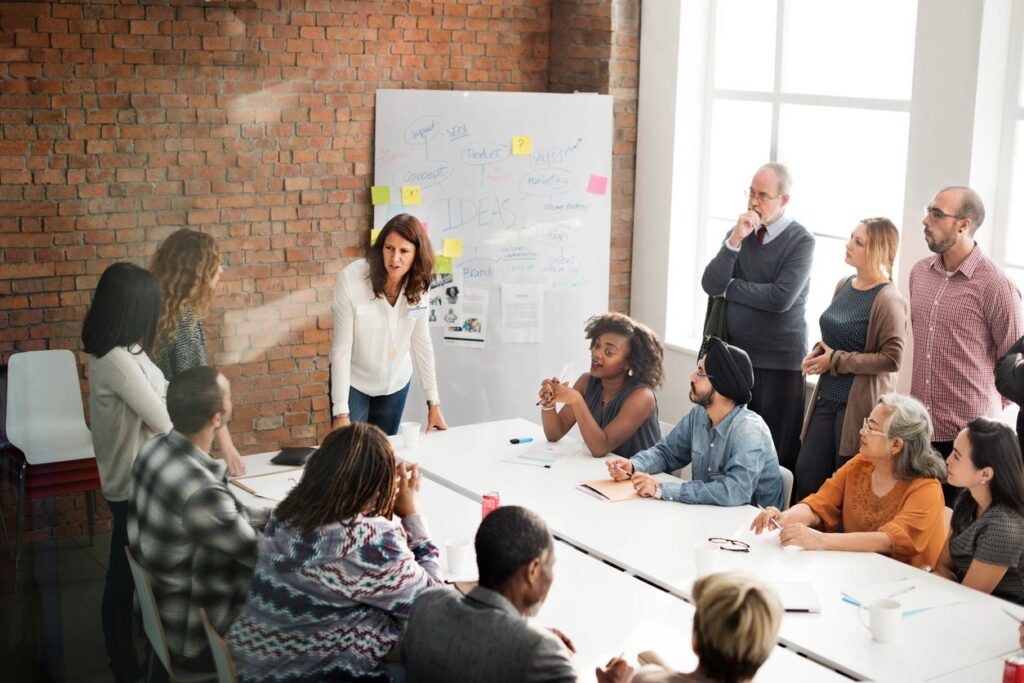
Traditional classrooms refer to physical learning spaces where teachers and students interact face-to-face. This model has been the foundation of education for centuries and relies on in-person teaching, physical materials, and direct communication.
It emphasizes structured schedules, classroom discipline, and real-time interaction within a defined environment like schools, colleges, or universities.
Accessibility and Flexibility
Virtual Classrooms
One of the biggest advantages of virtual classrooms is accessibility. Students can learn from any location, eliminating geographical barriers. This is especially beneficial for working professionals, remote learners, or individuals with physical limitations.
Flexibility is another key factor. Learners can often access recorded lectures and study materials at their own pace, making it easier to balance education with other responsibilities.
However, this flexibility can sometimes lead to procrastination or lack of discipline if not managed properly.
Traditional Classrooms
Traditional classrooms offer limited flexibility. Students must be physically present at a specific time and place, which can be challenging for those with other commitments.
On the positive side, this structure promotes discipline, routine, and consistency, which many students find helpful for maintaining focus and productivity.
Interaction and Engagement
Virtual Classrooms
Virtual classrooms use tools like polls, quizzes, chat boxes, and breakout rooms to enhance engagement. However, the lack of physical presence can reduce emotional connection and spontaneous interaction.
Students may feel isolated, and it can be harder for teachers to gauge attention levels or understanding in real time.
Traditional Classrooms
Face-to-face interaction is the biggest strength of traditional classrooms. Teachers can read body language, adjust teaching methods instantly, and build stronger relationships with students.
Group discussions, peer interactions, and classroom activities naturally enhance engagement and collaboration.
Learning Experience and Effectiveness
Virtual Classrooms
Virtual learning offers multimedia-rich content such as videos, animations, and interactive modules, which can improve understanding of complex topics.
It also allows personalized learning, where students can revisit lessons multiple times. However, it heavily depends on self-motivation and digital literacy.
Distractions at home and screen fatigue can negatively impact learning effectiveness.
Traditional Classrooms
Traditional classrooms provide a more immersive and focused learning environment. The physical presence of a teacher and peers creates accountability and minimizes distractions.
Hands-on activities, especially in subjects like science and engineering, are more effective in a physical setting.
However, the pace of learning is usually fixed, which may not suit all students.
Technology and Infrastructure
Virtual Classrooms
Virtual classrooms rely heavily on technology, including high-speed internet, devices (laptops, tablets), and software platforms. While this enables innovative learning methods, it also creates challenges such as:
- Digital divide (not all students have access to devices or internet)
- Technical issues (connectivity problems, software glitches)
- Dependence on electricity and infrastructure
Traditional Classrooms
Traditional classrooms require physical infrastructure like buildings, furniture, and teaching materials. While they are less dependent on advanced technology, they still involve significant costs for maintenance and expansion.
They are more stable in areas with limited digital access but less adaptable to modern technological advancements.
Cost and Affordability
Virtual Classrooms
Virtual education is often more cost-effective. Students save on transportation, accommodation, and physical materials. Institutions also reduce infrastructure costs.
However, initial investments in devices and internet access can be a barrier for some learners.
Traditional Classrooms
Traditional education tends to be more expensive due to costs related to campus facilities, transportation, and printed materials.
Despite this, many students and parents perceive it as more valuable due to its structured environment and direct interaction.
Discipline and Self-Motivation
Virtual Classrooms
Virtual learning requires a high level of self-discipline and time management. Without direct supervision, students may struggle to stay focused and complete tasks on time.
This mode is better suited for mature learners who can take responsibility for their own education.
Traditional Classrooms
Traditional classrooms naturally enforce discipline through schedules, attendance, and teacher supervision. Students are more likely to stay engaged due to the structured environment.
This makes it ideal for younger students or those who need guidance and monitoring.
Social Development
Virtual Classrooms
One major drawback of virtual learning is limited social interaction. Students miss out on face-to-face communication, teamwork, and extracurricular activities.
This can affect the development of communication skills, confidence, and emotional intelligence.
Traditional Classrooms
Traditional classrooms play a crucial role in social development. Students interact with peers, participate in group activities, and build relationships.
These experiences help develop teamwork, leadership, and interpersonal skills that are essential in real life.
Adaptability and Future Trends
Virtual Classrooms
Virtual classrooms are highly adaptable and continuously evolving with technology such as AI, virtual reality (VR), and augmented reality (AR).
They are likely to play a significant role in the future of education, especially in remote and global learning environments.
Traditional Classrooms
Traditional classrooms are also evolving by integrating technology, such as smart boards and digital tools.
The future is likely to see a hybrid model, combining the strengths of both traditional and virtual learning.
Advantages and Disadvantages Summary
Virtual Classrooms – Pros
- Flexible and accessible
- Cost-effective
- Technology-driven learning
- Self-paced education
Virtual Classrooms – Cons
- Requires strong self-discipline
- Limited social interaction
- Dependent on technology
- Potential for distractions
Traditional Classrooms – Pros
- Direct interaction and engagement
- Structured learning environment
- Better social development
- Hands-on learning opportunities
Traditional Classrooms – Cons
- Less flexible
- Higher costs
- Limited accessibility
- Fixed pace of learning
Conclusion
Both virtual and traditional classrooms have their own strengths and limitations. Virtual classrooms offer flexibility, accessibility, and innovation, making them ideal for modern learners and global education. On the other hand, traditional classrooms provide structure, direct interaction, and a richer social experience.
Rather than choosing one over the other, the future of education lies in blending both approaches. A hybrid model can combine the flexibility of virtual learning with the engagement and discipline of traditional classrooms.
Ultimately, the effectiveness of either method depends on the learner’s needs, goals, and learning style. As education continues to evolve, embracing both systems will ensure a more inclusive, adaptable, and effective learning environment for everyone.